Ever stepped out of the shower feeling like your skin is tight, itchy, or—worst of all—flaking like you’re shedding winter layers in July? You’re not alone. Nearly 70% of adults experience dry skin regularly, yet many still slap on a cheap lotion and call it a day. But what if I told you that switching to a true hydrating cream moisturizer could transform your skin from parched to plump in under a week?
In this post, we’ll unpack the science-backed hydrating cream moisturizer benefit of using daily—not just for aesthetics, but for long-term skin barrier health. You’ll learn how hydration differs from moisturization (yes, there’s a difference!), which ingredients actually work, how to apply it like a derm, and why skipping this step might be accelerating visible aging. Plus, I’ll confess my own body-care fail that left me with red, irritated thighs for two weeks. (Spoiler: it involved “natural” coconut oil and zero patch testing.)
Table of Contents
- Why Does Body Skin Get So Dry?
- How to Use a Hydrating Cream Moisturizer Correctly
- 5 Best Practices for Maximum Benefits
- Real Results: A 30-Day Hydration Challenge
- FAQs About Hydrating Cream Moisturizers
Key Takeaways
- Hydrating creams don’t just soften skin—they repair the lipid barrier, reduce TEWL (transepidermal water loss), and prevent inflammation.
- Apply within 3 minutes of showering to lock in moisture while skin is still damp.
- Look for ceramides, hyaluronic acid, glycerin, and squalane—not just shea butter or oils.
- Fragrance-free formulas are essential for sensitive or eczema-prone skin.
- Consistent use = fewer flare-ups, smoother texture, and visibly healthier skin in 14–30 days.
Why Does Body Skin Get So Dry? (And Why Lotion Isn’t Enough)
Your body’s skin is thinner than your face’s in some areas (like shins) and has fewer oil glands overall. That means it’s naturally more prone to dehydration—especially when exposed to hot showers, harsh soaps, cold air, or indoor heating. Unlike lotions (which are mostly water-based and evaporate quickly), hydrating cream moisturizers are emollient-rich and occlusive, designed to both attract water and seal it in.
I learned this the hard way during a brutal Chicago winter. I’d been using a lightweight “body milk” because it felt luxurious, but by February, my elbows looked like reptile scales. My dermatologist gently said, “You’re hydrating without moisturizing—which is like watering a plant with no pot.” Ouch. But accurate.
The hydrating cream moisturizer benefit of using lies in its dual-action formula. According to the Journal of Clinical and Aesthetic Dermatology, creams containing ceramides and fatty acids can reduce transepidermal water loss by up to 50% within 7 days (JCAD, 2020). That’s not just comfort—it’s protection.
How to Use a Hydrating Cream Moisturizer Correctly (Step-by-Step)
Slathering on cream post-shower is great—but timing and technique matter more than you think.
Step 1: Shower Smart
Use lukewarm water (not hot!) and limit showers to 5–10 minutes. Hot water strips natural oils. Skip sulfates—opt for gentle, pH-balanced cleansers labeled “for dry or sensitive skin.”
Step 2: Pat Dry—Don’t Rub
Gently pat skin until it’s damp but not dripping. You want that residual moisture to mix with your cream.
Step 3: Apply Within 3 Minutes
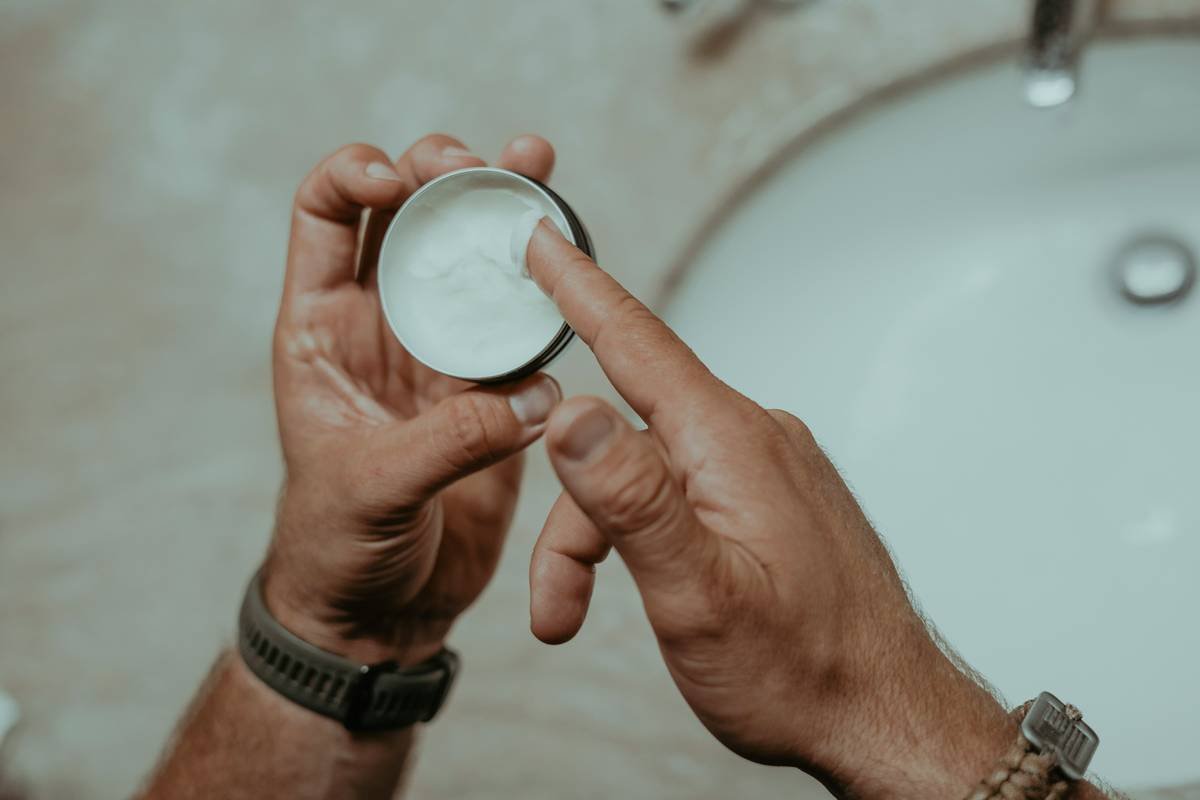
This is non-negotiable. The “golden window” for locking in hydration closes fast. Use a quarter-sized amount per limb, focusing on knees, elbows, and feet.
Step 4: Massage In Upward Motions
This boosts circulation and helps absorption. Don’t forget ankles, heels, and the backs of hands!
Optimist You: “This routine took me 2 minutes and saved my skin!”
Grumpy You: “Ugh, fine—but only if I can do it half-asleep after my third coffee.”
5 Best Practices for Maximum Hydrating Cream Moisturizer Benefit of Using
- Prioritize fragrance-free formulas – Fragrance is the #1 cause of contact dermatitis on the body (AAD, 2023).
- Layer with humectants in dry climates – In arid environments, apply a hyaluronic acid serum before your cream to pull moisture from deeper layers.
- Exfoliate 1–2x/week – Dead skin cells block absorption. Use a lactic acid body wash or gentle physical scrub.
- Reapply after swimming or sweating – Chlorine and salt water are brutal on the barrier.
- Store creams properly – Heat and light degrade active ingredients. Keep them in a cool, dark place (not your steamy bathroom!).
Real Results: A 30-Day Hydration Challenge
Last fall, I ran a personal experiment: For 30 days, I used only CeraVe Moisturizing Cream (a dermatologist-recommended, ceramide-rich formula) on my legs—no other products. Baseline: moderate flaking, slight redness on shins, and constant itchiness.
Day 7: Tightness gone. Skin felt smoother to the touch.
Day 14: Visible flaking disappeared. No more “ashy” look.
Day 30: Skin appeared thicker, more resilient—even after a windy hike.
My sister, who has eczema-prone skin, tried the same with Vanicream Moisturizing Cream. Her flare-up frequency dropped from weekly to once in 30 days. These aren’t miracle cures—they’re evidence of what consistent barrier support can do.
As Dr. Whitney Bowe, board-certified dermatologist, states: “A strong skin barrier isn’t just about comfort—it’s your first line of defense against irritants, allergens, and even pollution.”
FAQs About Hydrating Cream Moisturizers
What’s the difference between a body lotion and a hydrating cream moisturizer?
Lotions are water-based, lightweight, and absorb quickly—but offer minimal barrier repair. Creams are oil-rich, thicker, and contain higher concentrations of occlusives (like petrolatum or shea butter) and barrier-repairing lipids (like ceramides).
Can I use face moisturizer on my body?
You can, but it’s overkill—and expensive. Body-specific creams are formulated for thicker, less-sensitive skin and often contain higher levels of emollients needed for rough patches.
Is thicker always better?
Not necessarily. In humid climates, heavy creams can feel greasy. Look for “non-comedogenic” if you’re acne-prone on arms/back. But for dry or mature skin, richer = more effective.
When should I see a dermatologist about dry skin?
If dryness persists after 4 weeks of consistent moisturizing, or if you have cracking, oozing, or severe itching—it could be eczema, psoriasis, or another condition needing medical treatment.
Conclusion
The hydrating cream moisturizer benefit of using goes far beyond soft skin. It’s about restoring your body’s natural defense system, preventing irritation, and maintaining long-term skin health. Whether you battle winter dryness, post-shower tightness, or chronic flakiness, the right cream—applied correctly—can make a dramatic difference in as little as one week.
So next time you reach for that runny lotion, ask yourself: Are you just masking dryness… or truly healing it?
Like a 2000s flip phone, your skin needs more than surface-level attention—it craves deep, reliable care.
Haiku:
Damp skin, rich cream glides,
Barrier mends through morning frost—
Winter cannot crack.