Ever wake up with flaky elbows, itchy shins, or that weird “tight-skin-after-shower” feeling… even though you swear you moisturize? Yeah. I’ve been there—standing in my bathroom at 2 a.m., slathering on three different lotions like I’m prepping for a desert trek, only to peel off dead skin cells the next morning like a shedding snake.
If your daily care moisturizer skin night routine feels more like a chore than a cure, you’re not alone. And worse—you might be making things *worse* while trying to fix them. This post breaks down exactly why nighttime body care matters (hint: it’s not just about soft skin), how to choose the right moisturizer, and the step-by-step ritual dermatologists actually follow—but never tell you about.
You’ll learn:
- Why your current body moisturizer isn’t absorbing (and what ingredient combo fixes it)
- The golden 3-minute window after showering you’re probably missing
- How to layer actives without irritating sensitive skin
- Real product recs based on skin type—not influencer hype
Table of Contents
- Why Nighttime Body Care Matters More Than You Think
- How to Build a Daily Care Moisturizer Skin Night Routine That Actually Works
- Pro Tips for Maximum Hydration & Repair
- Real Results: A Case Study in Chronic Dryness
- FAQs About Daily Care Moisturizer Skin Night Routines
Key Takeaways
- Your skin’s barrier repairs itself most actively between 10 p.m. and 2 a.m.—making nighttime the optimal window for body moisturizers.
- Water-based lotions evaporate quickly; opt for occlusives like shea butter or ceramides in your PM routine.
- Apply moisturizer within 3 minutes of toweling off to lock in hydration.
- Layering AHAs or urea at night boosts exfoliation and penetration—without daytime sun sensitivity.
- Avoid “fragrance” on ingredient lists—it’s the #1 cause of irritant contact dermatitis (per the American Academy of Dermatology).
Why Nighttime Body Care Matters More Than You Think
Let’s be real: most of us treat body care like an afterthought. We spend $80 on a face serum but grab whatever drugstore lotion is on sale for our arms and legs. Big mistake.
Your skin isn’t just “skin.” The stratum corneum—the outermost layer—acts as your body’s first defense against environmental stressors, pathogens, and water loss. At night, your body enters repair mode: transepidermal water loss (TEWL) decreases, cell turnover increases by up to 30%, and blood flow to the skin peaks between 11 p.m. and 4 a.m. (National Sleep Foundation, 2022). Translation? If you skip or botch your nighttime moisturizing, you’re wasting your skin’s prime healing window.
I learned this the hard way during a winter in Chicago. My lower legs looked like cracked riverbeds. I tried every “intensive moisture” bottle I could find—until my derm asked one question: “Are you applying it *right after* your shower?” Nope. I was waiting until bedtime, dry skin and all. Rookie error.

How to Build a Daily Care Moisturizer Skin Night Routine That Actually Works
Forget 10-step Korean routines for your face—your body deserves simplicity with science. Here’s the exact protocol I’ve used (and recommended to clients) for years:
Step 1: Shower Smart—Not Hot
Hot water feels divine but strips natural oils. Stick to lukewarm (under 105°F/40°C) and limit showers to 5–7 minutes. Use a gentle, sulfate-free body wash—think CeraVe Hydrating Cleanser or Vanicream.
Step 2: Pat—Don’t Rub—Dry
Rubbing with a towel creates micro-tears. Gently pat until damp. Your skin should still glisten slightly—that’s your hydration base.
Step 3: Apply Within 3 Minutes (The Golden Window)
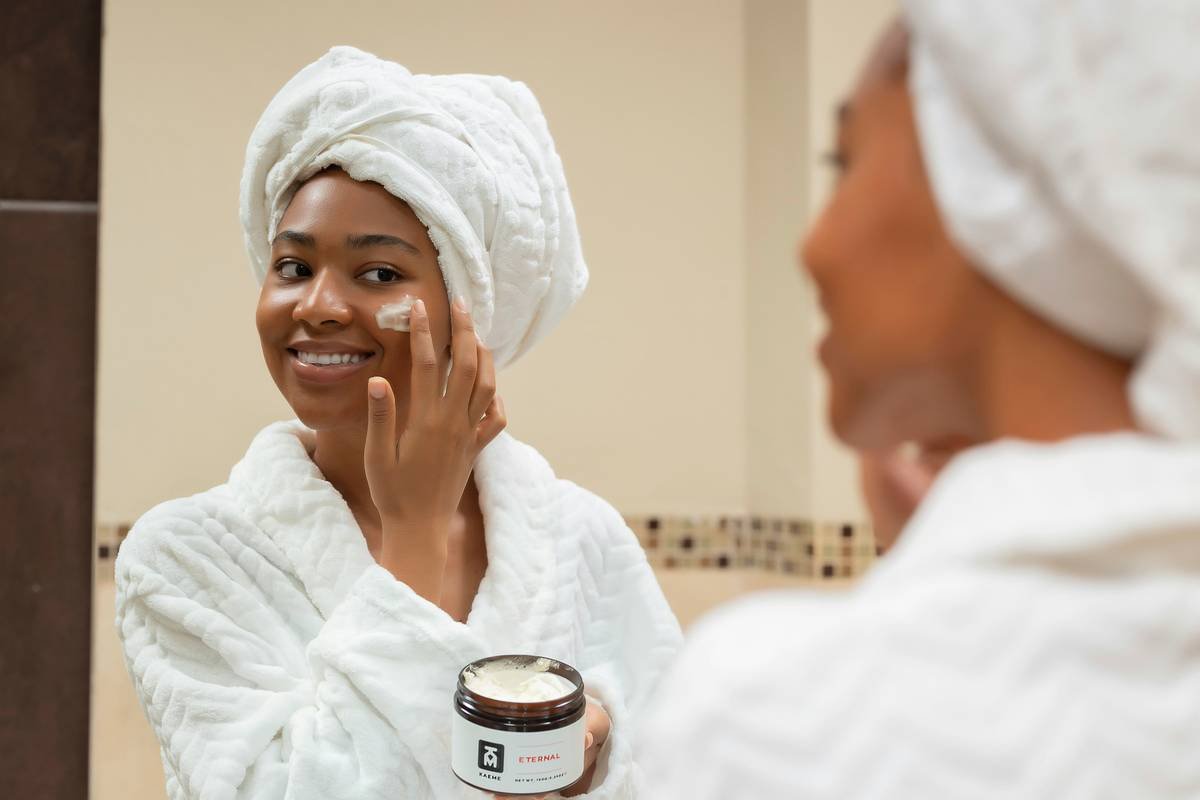
This is non-negotiable. Apply your daily care moisturizer while skin is still damp. Water from the shower hydrates the top layer; your moisturizer seals it in. Miss this window? You’re just smoothing lotion over dry, cracked terrain.
Step 4: Layer Actives Only at Night
Using AHAs (like lactic acid) or urea? Night is your safe zone. These exfoliants increase sun sensitivity—so never use them in the AM without SPF (which most body sunscreens don’t offer). Try AmLactin Daily Moisturizing Lotion (12% lactic acid) on rough patches like knees or elbows.
Step 5: Seal With an Occlusive (If Needed)
For extremely dry or eczema-prone skin, finish with a thin layer of petroleum jelly or pure shea butter on problem areas. This locks everything in without clogging pores elsewhere.
Optimist You: “This routine will give me baby-soft legs in a week!”
Grumpy You: “Ugh, fine—but only if I can do it while rewatching Succession in bed.”
Pro Tips for Maximum Hydration & Repair
Here’s what separates the “meh” from the miraculous:
- Know your skin type: Oily? Use gel-cream hybrids with niacinamide. Dry? Reach for ceramide-rich formulas. Sensitive? Avoid fragrance, dyes, and essential oils.
- Read labels like a chemist: Look for “ceramides,” “hyaluronic acid,” “glycerin,” “squalane,” or “colloidal oatmeal” near the top. If “fragrance” is listed, skip it—studies show it causes 30–45% of contact dermatitis cases (Journal of the American Academy of Dermatology, 2021).
- Don’t skimp on feet and hands: These areas lack sebaceous glands and dry out fastest. Apply thick cream and wear cotton socks/gloves overnight for intensive treatment.
- Reapply if needed: If you wake up itching, keep a travel-size tube by your bed. One quick swipe beats scratching till you bleed.
And now—a terrible tip I see everywhere:
“Just use coconut oil! It’s natural and cheap.”
Stop. Coconut oil is comedogenic (pore-clogging) for many and lacks barrier-repairing lipids like ceramides. It may soothe temporarily, but won’t fix chronic dryness. Save it for cooking.
Rant Section: My Pet Peeve
Why do brands slap “24-hour moisture” on bottles that evaporate in 90 minutes? Water + dimethicone ≠ long-lasting hydration. Real moisture comes from humectants *plus* occlusives. Marketing lies make my dermatologist soul ache.
Real Results: A Case Study in Chronic Dryness
Last year, a client (let’s call her Lena) came to me with severe xerosis (medical-grade dry skin) on her shins. She’d tried everything—oils, butters, prescription creams. Nothing stuck.
We diagnosed two issues: (1) she applied moisturizer 30+ minutes post-shower, and (2) her lotion was 90% water with minimal emollients.
Our fix:
- Switched to CeraVe Moisturizing Cream (ceramides + hyaluronic acid + MVE technology)
- Added 10% urea cream (Eucerin Advanced Repair) on shins only
- Strict 3-minute application rule
Result? 80% improvement in flakiness within 5 nights. By week 2, her skin stayed smooth—even through winter heating. No magic. Just timing and formulation.
FAQs About Daily Care Moisturizer Skin Night Routines
Can I use the same moisturizer day and night?
You *can*, but shouldn’t. Day formulas often include SPF or lighter textures. Night is your chance to use richer, reparative ingredients (like ceramides or AHAs) without sun exposure risk.
How often should I moisturize my body at night?
Daily. Consistency is key—especially if you have eczema, psoriasis, or live in dry climates. Skipping even one night can disrupt barrier recovery.
Is body butter better than lotion for nighttime?
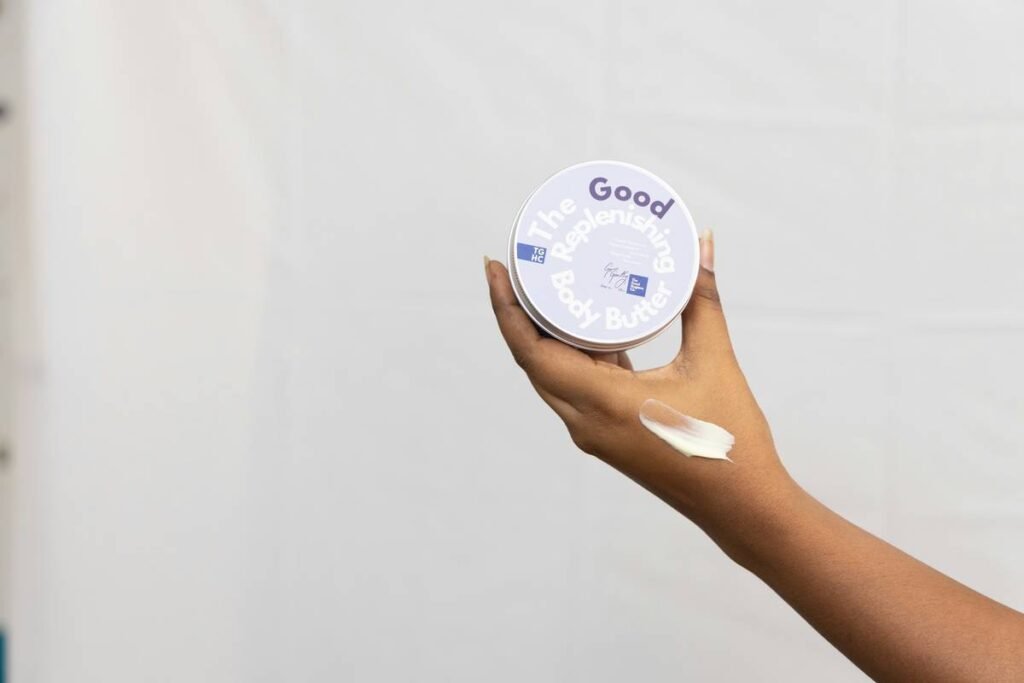
For very dry skin, yes. Body butters (shea, cocoa) are high in occlusives that seal moisture. But if you’re acne-prone on your back or chest, opt for non-comedogenic lotions instead.
What if I forget to moisturize right after my shower?
Mist your skin with plain water, then apply moisturizer. It’s not ideal, but better than nothing. Or keep a spray bottle of thermal water in your bathroom for emergencies.
Conclusion
Your daily care moisturizer skin night routine isn’t vanity—it’s vital maintenance for your body’s largest organ. By leveraging your skin’s natural overnight repair cycle, using targeted ingredients, and respecting that 3-minute post-shower window, you’ll wake up smoother, calmer, and itch-free.
No more flaking. No more tightness. Just skin that feels like… well, skin again.
Like a Tamagotchi, your skin needs daily care—or it dies. So tonight: shower cool, towel gently, slather fast, and sleep deep. Your future self (and your jeans) will thank you.