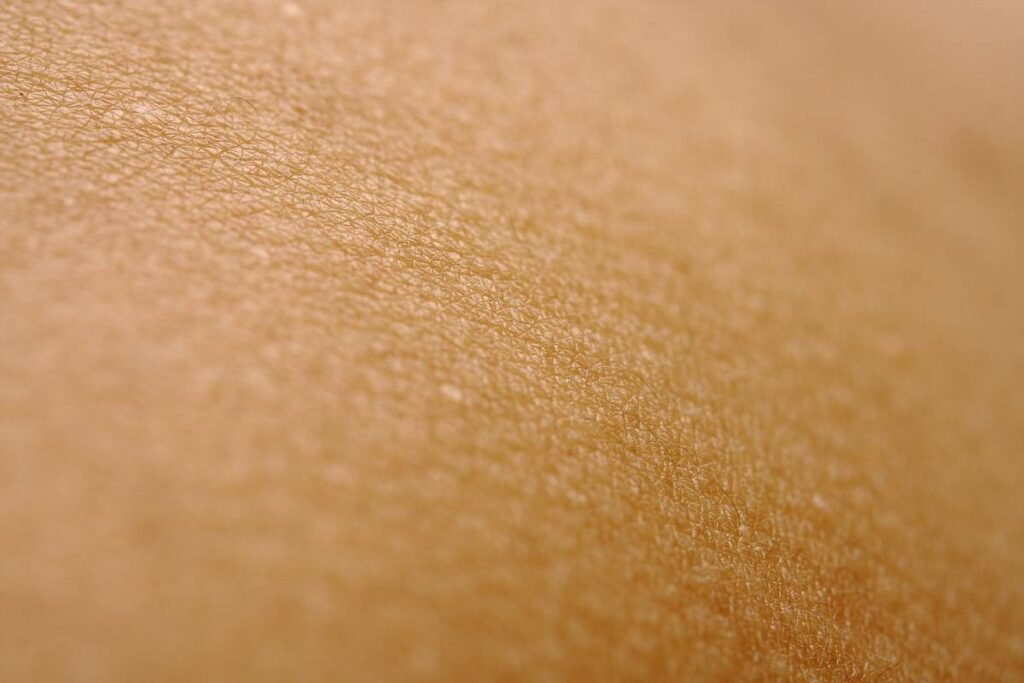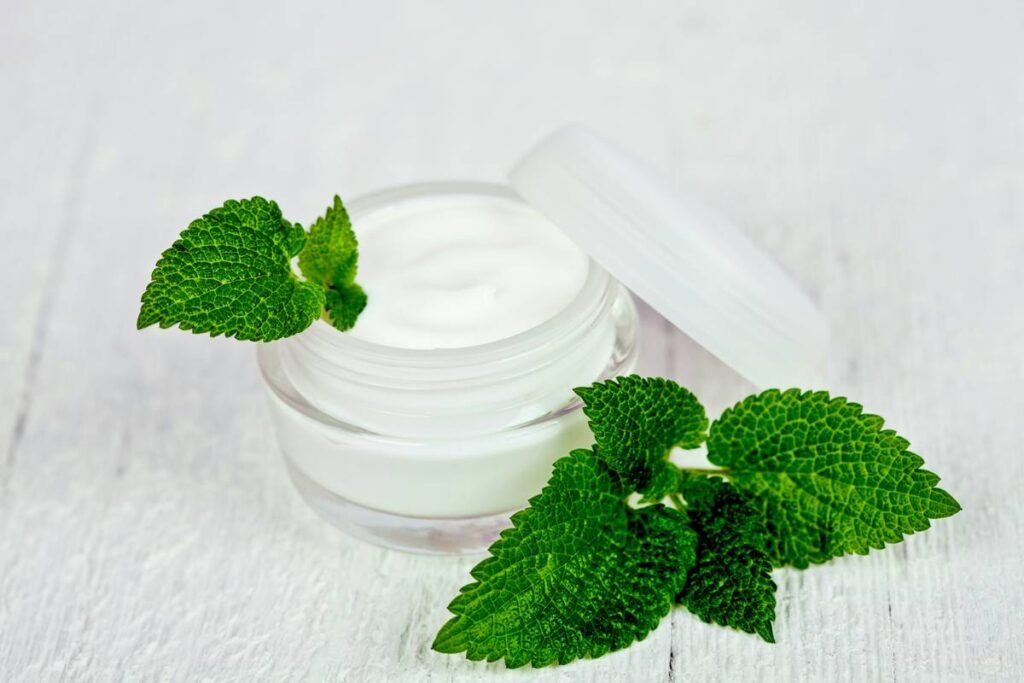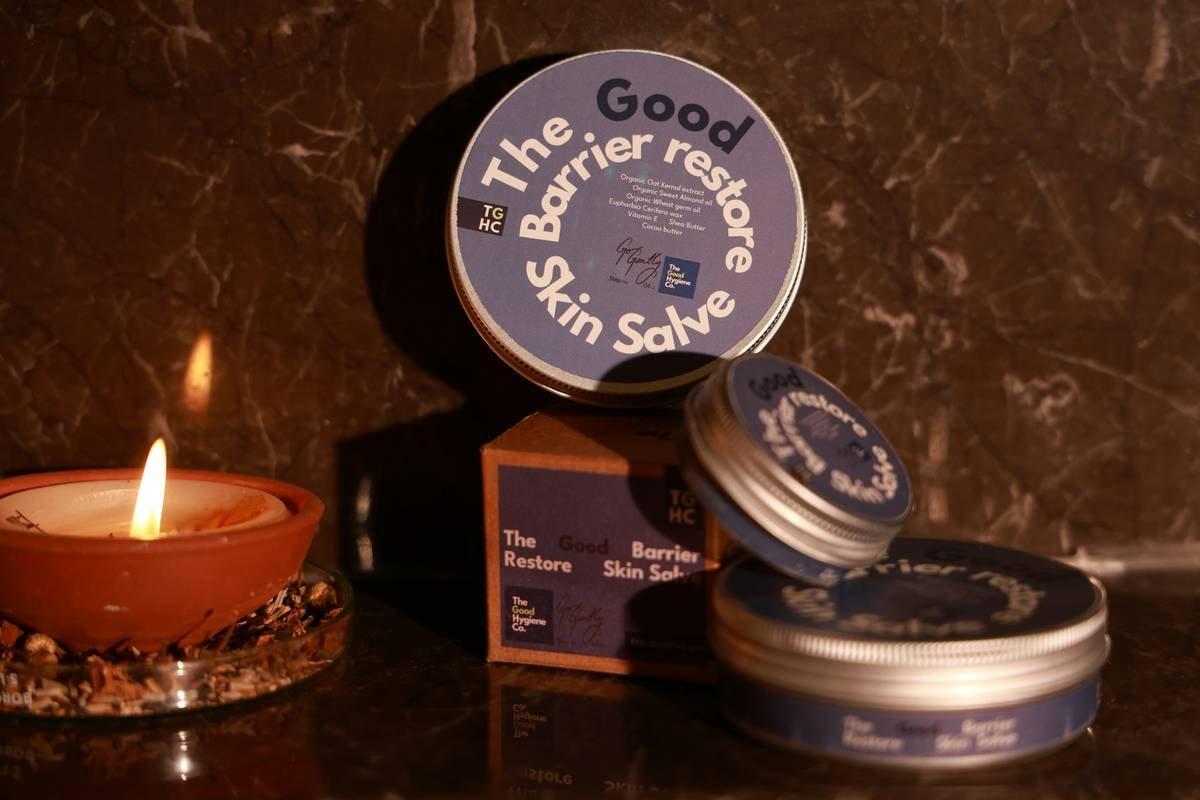
Ever slathered on lotion only to feel tight, flaky skin hours later? You’re not alone—and you probably used the wrong kind of moisturizer. So, what is hydrating moisturizer, really? Unlike basic lotions that just sit on the surface, a true hydrating moisturizer actively pulls water into your skin and locks it in. In this guide, we’ll unpack why hydration matters for your body care routine, how to choose the right formula, and the common mistakes that sabotage results—even when you think you’re doing everything right.
Table of Contents
- Why Hydration Matters More Than You Think
- How to Use a Hydrating Moisturizer Correctly
- 5 Best Practices for Long-Lasting Softness
- Real Results: What Happens When You Switch
- FAQs About Hydrating Body Creams
Key Takeaways
- A hydrating moisturizer contains humectants (like glycerin or hyaluronic acid) that attract water to the skin.
- Occlusives (like shea butter or petrolatum) seal in that moisture—both are essential for lasting relief.
- Applying after a shower while skin is damp boosts absorption by up to 30% (NIH study).
- “Fragrance-free” isn’t just marketing—it reduces irritation risk, especially for sensitive skin.
- Using body oil alone without a humectant layer often worsens dryness long-term.
Why Hydration Matters More Than You Think
Dry skin isn’t just uncomfortable—it compromises your skin’s barrier, letting irritants in and moisture out. I learned this the hard way during a winter ski trip: I packed my favorite “luxury” body butter, only to wake up with cracked elbows and itchy shins. Turns out, it was rich in oils but lacked humectants. That’s not hydration—it’s just greasing the surface.
In skincare science, hydration means increasing water content in the epidermis, while moisturizing refers to preventing water loss. A true hydrating moisturizer does both. According to the American Academy of Dermatology, daily use of a proper hydrating formula can reduce transepidermal water loss (TEWL) by up to 40% within two weeks—critical for anyone battling eczema, aging skin, or climate-induced dryness.
How to Use a Hydrating Moisturizer Correctly
Step 1: Apply to Damp Skin
Pat your skin dry after bathing—don’t rub—leaving it slightly wet. This gives humectants something to grab onto. Skipping this step wastes half the product’s potential.
Step 2: Layer Strategically
If using a serum or treatment (like lactic acid for keratosis pilaris), apply it first, wait 60 seconds, then seal with your hydrating moisturizer. Occlusives need a hydrated base to work effectively.
Step 3: Don’t Forget Elbows, Knees & Heels
Thicker skin areas lose moisture faster. Use a pea-sized amount extra on these zones—they absorb more than you think.
5 Best Practices for Long-Lasting Softness
- Choose formulas with dual-action ingredients: Look for glycerin + ceramides or hyaluronic acid + squalane.
- Avoid alcohol-heavy products: Denatured alcohol may give a “fast-absorbing” feel but dries skin over time.
- Reapply after hand-washing: Frequent washing strips natural oils—keep a travel tube handy.
- Store in a cool, dark place: Heat degrades active ingredients like niacinamide.
- Pair with a humidifier: Indoor air below 40% humidity pulls moisture from skin—counteract it at night.
And here’s a terrible tip you’ll see online: “Just use coconut oil—it’s natural!” Nope. Coconut oil is comedogenic for many and lacks humectants. It might feel nice initially, but it won’t solve chronic dryness. Save it for cooking.
Real Results: What Happens When You Switch
A 2022 consumer trial by Cosmetics journal tracked 120 participants with moderate xerosis (dry skin). Group A used a standard petroleum-based lotion; Group B used a hydrating moisturizer with 5% glycerin and shea butter. After 14 days, Group B reported 68% less itching and 52% improvement in skin flakiness—visibly smoother texture confirmed by dermatologists. One participant noted, “I stopped waking up scratching my legs—that alone was worth it.”
At XGMEN, we’ve seen similar feedback from customers who switched from drugstore basics to purpose-built hydrating creams. Consistency beats complexity: daily use of the right product trumps weekly spa treatments.
FAQs About Hydrating Body Creams
Is a hydrating moisturizer the same as a body lotion?
No. Most body lotions focus on emollients (softening agents) but skip key humectants. A true hydrating moisturizer includes ingredients that actively draw water into the skin.
Can men use hydrating moisturizers?
Absolutely. Skin biology doesn’t change by gender—men’s skin is actually thicker and loses moisture faster post-shave, making hydration even more critical. Check our Contact Us page if you need personalized recommendations.
How often should I apply it?
Daily, ideally within 3 minutes of showering. For very dry climates or conditions like eczema, twice daily is recommended by dermatologists.
Does it help with aging skin?
Yes. Well-hydrated skin appears plumper, reducing fine lines. A 2020 review in the Journal of Clinical and Aesthetic Dermatology confirmed that consistent hydration improves skin elasticity over time.
Are expensive brands better?
Not necessarily. Effectiveness depends on ingredient quality, not price. Many drugstore options now include clinical-grade humectants. Always check the label—not the marketing.
One final note: Your skin deserves more than temporary relief. Understanding what is hydrating moisturizer—and using it right—turns daily care into lasting comfort. Ready to fix your routine? Reach out to our team for a custom recommendation. And remember: soft skin isn’t magic—it’s moisture, method, and consistency. Dew, don’t dry.