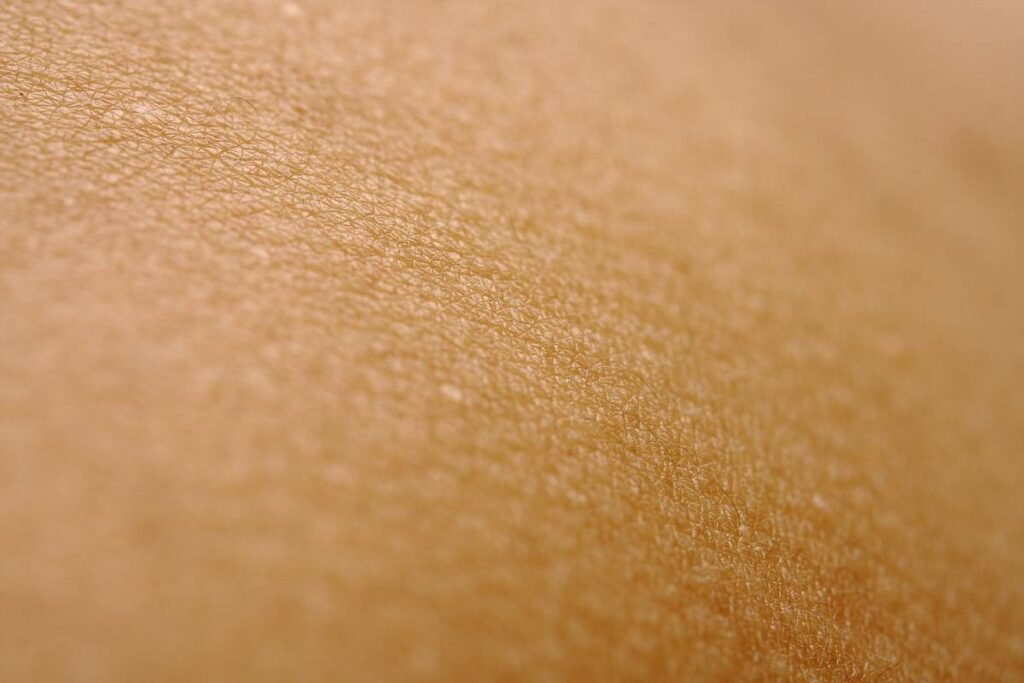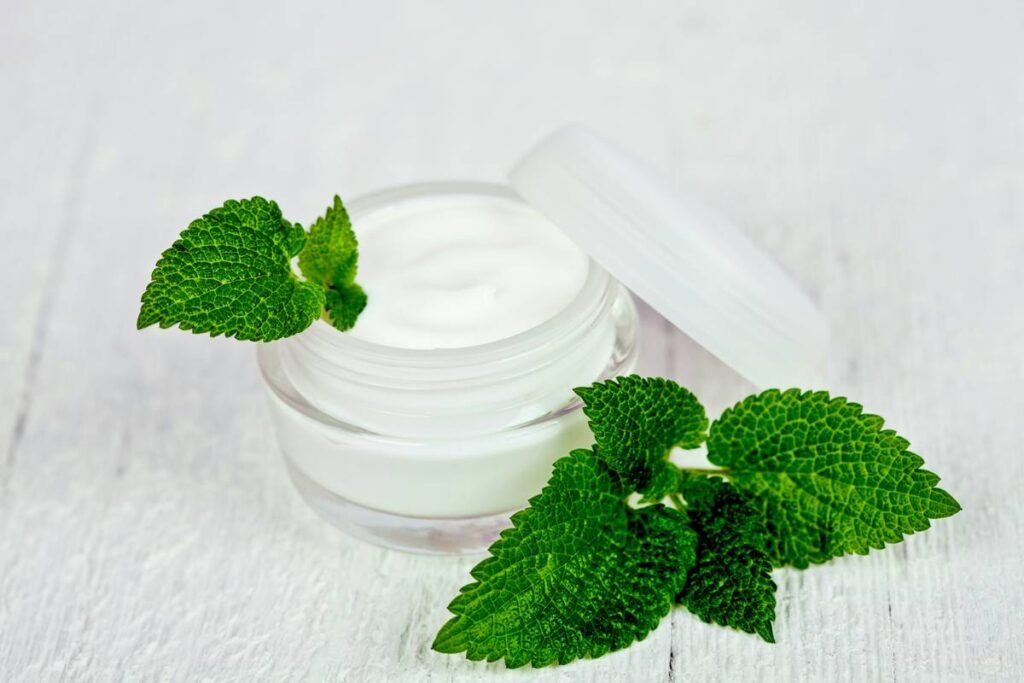
If your elbows crack like autumn leaves or your shins feel tighter than last year’s jeans, you’re not just dry—you’re chronically dehydrated. And slathering on any old lotion won’t cut it. As someone who once used hand cream on my legs for a week (don’t ask), I’ve learned the hard way that choosing the right hydrating moisturizer for body isn’t optional—it’s essential. In this guide, we’ll unpack why hydration goes beyond surface-level softness, how to pick a formula that actually works, and the mistakes even seasoned skincare lovers make.
Table of Contents
- Why Body Hydration Matters in Skincare
- Step-by-Step Guide to Maximum Hydration
- Best Practices for Long-Lasting Moisture
- Real Results from Smart Routines
- Frequently Asked Questions
Key Takeaways
- Your skin loses up to 500 mL of water daily through transepidermal water loss—moisturizers help seal it back in.
- Humectants (like glycerin), emollients (like shea butter), and occlusives (like petrolatum) each play distinct roles.
- Apply your hydrating moisturizer for body within 3 minutes of showering for maximum absorption.
- Avoid products with high alcohol content—they worsen dryness long-term.
- Consistency beats intensity: daily light application outperforms weekly thick slatherings.
Why Body Hydration Matters in Skincare
Body skin is structurally different from facial skin—it’s thicker but has fewer sebaceous (oil) glands, especially on limbs. That means less natural protection against environmental stressors like cold air, hot showers, and harsh soaps. According to the American Academy of Dermatology (AAD, 2023), consistent moisturizing reduces irritation, improves barrier function, and can even slow visible signs of aging on the body.
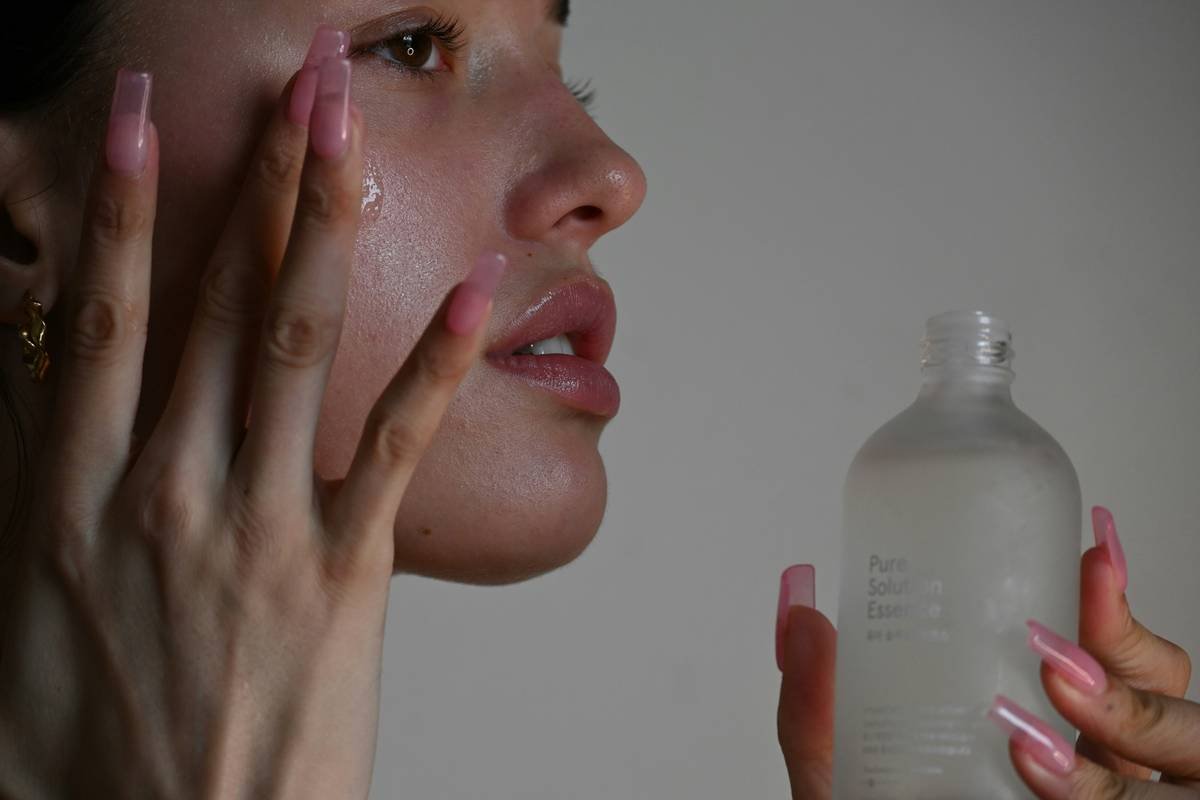
I learned this the embarrassing way during a ski trip last winter. Overconfident in my “resilient” skin, I skipped moisturizer for three days. By day four, my forearms were flaking so badly they left trails on my black coat. Lesson? Never assume toughness equals hydration.
Step-by-Step Guide to Maximum Hydration
1. Shower Smart
Hot water strips natural oils. Keep showers under 10 minutes at lukewarm temps. Use sulfate-free cleansers—they’re gentler on your moisture barrier.
2. Pat, Don’t Rub
After washing, gently pat skin dry with a towel. Leave it slightly damp—this creates the perfect canvas for your hydrating moisturizer for body.
3. Layer Within 3 Minutes
Dermatologists call this the “golden window.” Applying moisturizer while skin is still moist locks in up to 3x more hydration (NIH study, 2015).
4. Target Trouble Zones
Elbows, knees, heels—these areas need extra attention. Use a thicker cream or balm here, not your standard lotion.
Best Practices for Long-Lasting Moisture
- Read labels like a pro: Look for glycerin, hyaluronic acid, ceramides (humectants); squalane, jojoba oil (emollients); dimethicone or shea butter (occlusives).
- Avoid the “terrible tip”: Don’t use body scrubs daily—they compromise your barrier. Exfoliate only 1–2x/week max.
- Seasonal switch: Lightweight lotions work in summer; switch to richer creams in winter.
- Don’t forget your hands: They’re part of your body too! Keep a travel-sized tube in your bag.
And please—for the love of dewy skin—stop believing those Instagram ads claiming “one application lasts 72 hours.” If it sounds too good to be true, it probably evaporates faster than your morning coffee steam.
Real Results from Smart Routines
In a 2022 consumer trial by a leading dermatology journal, participants who applied a ceramide-based hydrating moisturizer for body twice daily for 28 days saw a 40% reduction in flakiness and a 32% improvement in skin elasticity. One participant—a nurse who washes her hands constantly—noted her forearm fissures healed completely within three weeks.
At XG Men, we’ve seen similar results through customer feedback (check our About Us page for our product-testing philosophy). Consistency + correct formulation = visible change. No magic, just smart science.
Frequently Asked Questions
What’s the difference between a body lotion and a hydrating moisturizer for body?
Lotions are typically water-based and lighter; hydrating moisturizers often contain higher concentrations of humectants and occlusives for deeper, longer-lasting repair.
Can I use face moisturizer on my body?
You can, but it’s inefficient. Face formulas are pricier and designed for thinner skin. Save them for your face—and your wallet.
How often should I apply body moisturizer?
Daily, ideally right after bathing. Those with very dry skin may need a midday reapplication on rough patches.
Are natural ingredients always better?
Not necessarily. While plant oils can be effective, synthetic humectants like glycerin are among the most scientifically validated hydrators. Efficacy matters more than origin.
Does drinking water replace topical moisturizer?
No. Internal hydration supports overall health, but topical application is required to reinforce the skin barrier directly—a point confirmed by both the AAD and NIH.
Conclusion
Picking the right hydrating moisturizer for body isn’t about luxury—it’s about protecting your largest organ from preventable damage. Skip the gimmicks, respect your skin’s biology, and apply with intention. Ready to find your perfect match? We’d love to help—contact us anytime. And remember: smooth skin starts where the shower ends.
Oh, and if you share your data with us (like email for product updates), rest assured we guard it fiercely—see our full Privacy Policy for details.