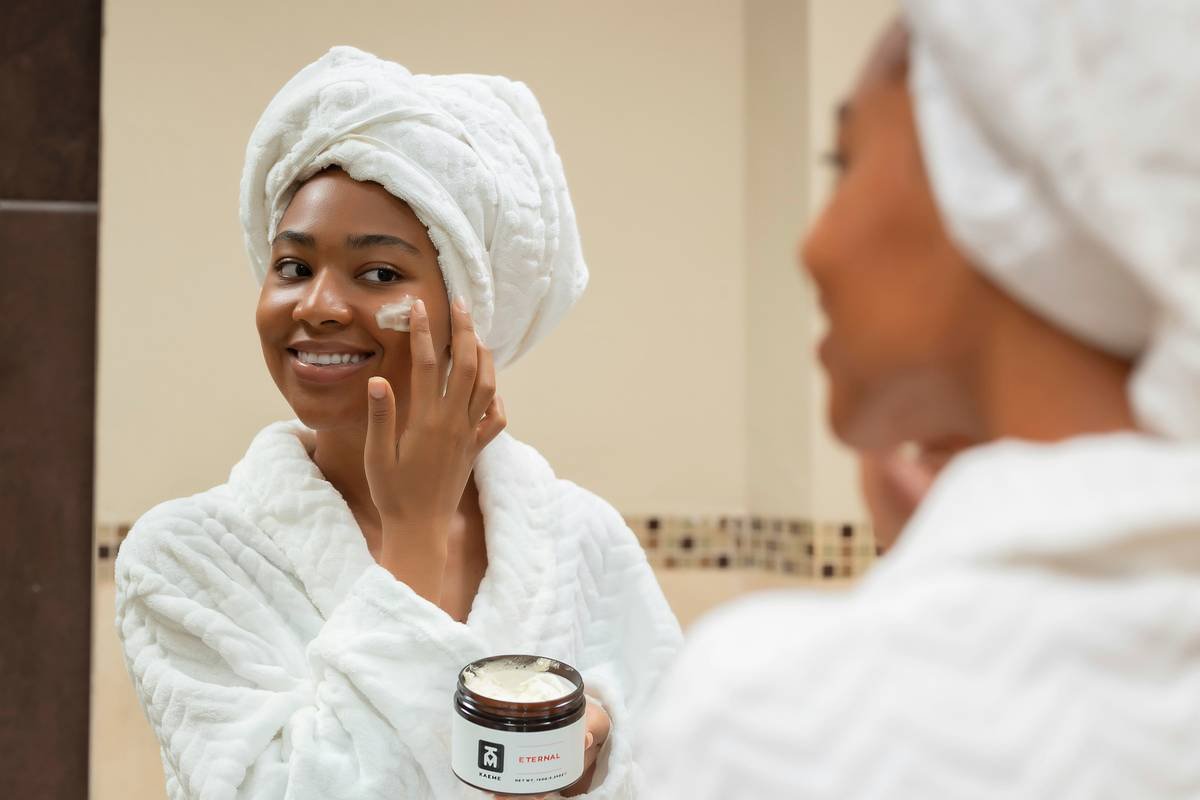
If your skin flares up at the slightest hint of fragrance, dye, or botanical extract—you’re not imagining it. Millions struggle with body moisturizer sensitive skin reactions that leave them red, itchy, and frustrated. And most drugstore formulas? They’re loaded with irritants disguised as “nourishing ingredients.” Here’s how to cut through the noise—and finally find relief that lasts.
Why Most Body Moisturizers Aggravate Sensitive Skin
Conventional body lotions prioritize shelf life, texture, and scent over skin compatibility. Parabens, sulfates, alcohol denat, essential oils—even “natural” extracts like lavender or citrus—can trigger inflammation in reactive skin. And don’t get me started on occlusives like petrolatum; while effective, they trap heat and sweat, worsening irritation if applied over compromised barriers.
The irony? Many “sensitive skin” labels are marketing gimmicks. There’s no FDA-regulated definition. A product can claim “hypoallergenic” while still containing 10+ potential allergens. Think about it: if your moisturizer stings upon application, it’s failing its one job.
Choosing & Using the Right Body Moisturizer for Sensitive Skin
Success hinges on three non-negotiables: ingredient austerity, barrier support, and pH alignment. Skip anything with a laundry list of unpronounceables. Your ideal formula should read like a minimalist manifesto—not a chemistry textbook.
Check the Ingredient List Like a Dermatologist
Look for ceramides, glycerin, squalane, or shea butter as top ingredients. Avoid anything ending in “-paraben,” “PEG-,” or “fragrance/parfum.” Even “unscented” can hide masking fragrances—opt for truly fragrance-free.
Apply on Damp Skin Within 3 Minutes of Showering
Water evaporates fast. Lock it in before transepidermal water loss spikes. Pat dry—never rub—and glide on your moisturizer while skin glistens. This simple timing trick boosts hydration retention by up to 40%.
Avoid Hot Showers & Harsh Towels
Scalding water strips lipids. Rough terry cloth causes micro-tears. Both sabotage your moisturizer’s efficacy. Lukewarm rinses and soft cotton patting preserve barrier integrity—so your body moisturizer sensitive skin actually works.
| Moisturizer Type | Ideal For | Avoid If You Have | Key Ingredients to Seek |
|---|---|---|---|
| Creams | Dry, flaky patches; winter months | Heat rash or eczema flare-ups | Ceramides, colloidal oatmeal, dimethicone |
| Lotions | Oily or acne-prone body skin | Severe dryness or dermatitis | Glycerin, hyaluronic acid, niacinamide |
| Ointments | Crisis-level barrier damage | Humid climates or fungal concerns | Petrolatum (pharma-grade), lanolin-free options |
| Gel-Creams | Sensitive + sweaty skin types | Extreme cold or wind exposure | Beta-glucan, allantoin, panthenol |
The Industry Secret: Patch Testing Is Broken (Do This Instead)
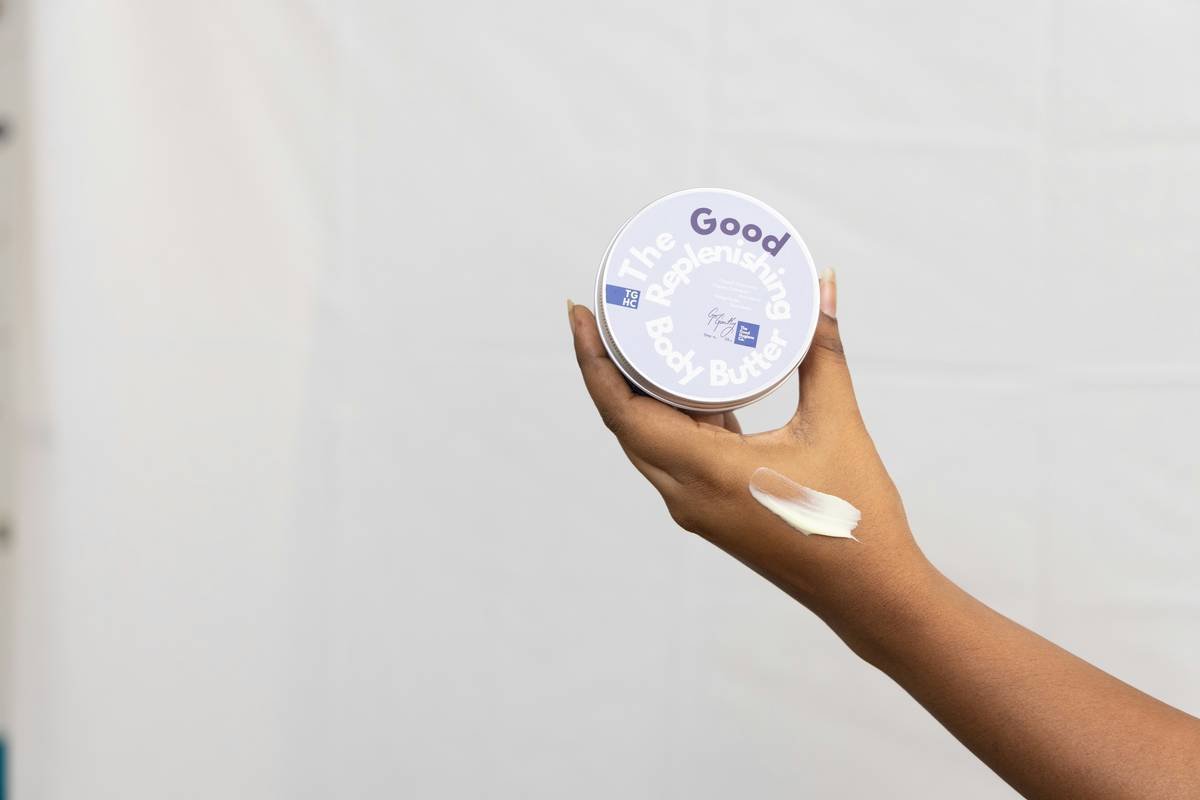
Most guides tell you to patch test on your inner arm for 24 hours. That’s outdated. Sensitive skin often reacts only under specific conditions—like humidity changes, friction from clothing, or interaction with sweat. Here’s what I recommend: apply a dime-sized amount to your forearm AND lower calf. Cover one spot with breathable cotton (mimicking clothing contact). Check at 6, 24, and 48 hours. If either site reddens or itches—discard it. Better yet, start with sample sachets. Brands like CeraVe and Vanicream offer them. Don’t gamble $20 on a full tub when your skin pays the price.
And remember—consistency beats complexity. One well-tolerated moisturizer used daily outperforms rotating “miracle” products that never settle into your routine.
FAQ
Can I use face moisturizer on my body if I have sensitive skin?
Technically yes—but it’s cost-ineffective. Face formulas lack the emollient density needed for thicker body skin. Stick to body-specific products designed for larger surface areas.
How often should I apply body moisturizer for sensitive skin?
Once daily post-shower is baseline. In dry climates or during flare-ups, reapply after handwashing or midday if skin feels tight.
Is fragrance-free the same as unscented for sensitive skin?
No. “Unscented” often uses masking fragrances to neutralize odor. Only “fragrance-free” guarantees zero aroma chemicals—a must for reactive skin.