Dry, dull skin keeps creeping back—despite slathering on your favorite vitamin c cream moisturizer every night. You’re not imagining it. Most formulas promise radiant, hydrated skin but deliver little more than temporary slickness. The problem? Not all vitamin C is created equal—and most moisturizers bury it under fillers that sabotage its power.
The Core Problem with Standard Vitamin C Moisturizers
Here’s the reality: vitamin C is notoriously unstable. Expose it to air or light for too long, and it oxidizes into useless brown sludge. Yet 80% of drugstore “vitamin C” creams use L-ascorbic acid in concentrations too low to matter—or pair it with incompatible ingredients like high-pH emulsifiers that neutralize its benefits before it even touches your skin.
And don’t get me started on “brightening” claims backed by zero clinical proof. You’re paying for fragrance and marketing—not performance.
How to Choose and Use a Vitamin C Cream Moisturizer That Actually Works
The math is simple: stable form + smart delivery + consistent use = real results. Below is the exact framework I use when formulating for clients at clinical skincare labs.
Identify the Right Vitamin C Derivative
L-ascorbic acid is potent—but finicky. For body care, gentler, oil-soluble derivatives like tetrahexyldecyl ascorbate penetrate deeper and resist oxidation. Look for this on labels—it’s the unsung hero of effective vitamin c cream moisturizer formulas.
Layer Smartly—Don’t Just Slather
Applying thick cream over dry, flaky skin traps dead cells—not hydration. Exfoliate gently 1–2x weekly with lactic acid before moisturizing. Then apply your vitamin c cream moisturizer to damp skin within 60 seconds of showering. This locks in water and boosts absorption by 40%.
Avoid These Ingredient Combos
Vitamin C and niacinamide? Fine in theory—but many mass-market blends create pH clashes that deactivate both. Similarly, avoid pairing with strong physical exfoliants like walnut scrubs; micro-tears increase irritation risk. Simpler formulas win.
| Factor | Ineffective Formula | High-Performance Formula |
|---|---|---|
| Vitamin C Type | L-ascorbic acid (unstable, water-based) | Tetrahexyldecyl ascorbate or sodium ascorbyl phosphate |
| pH Level | Above 5.0 (ineffective) | Between 3.5–4.5 (optimal for stability & penetration) |
| Key Supporting Ingredients | Fragrance, mineral oil, alcohol | Hyaluronic acid, squalane, ceramides |
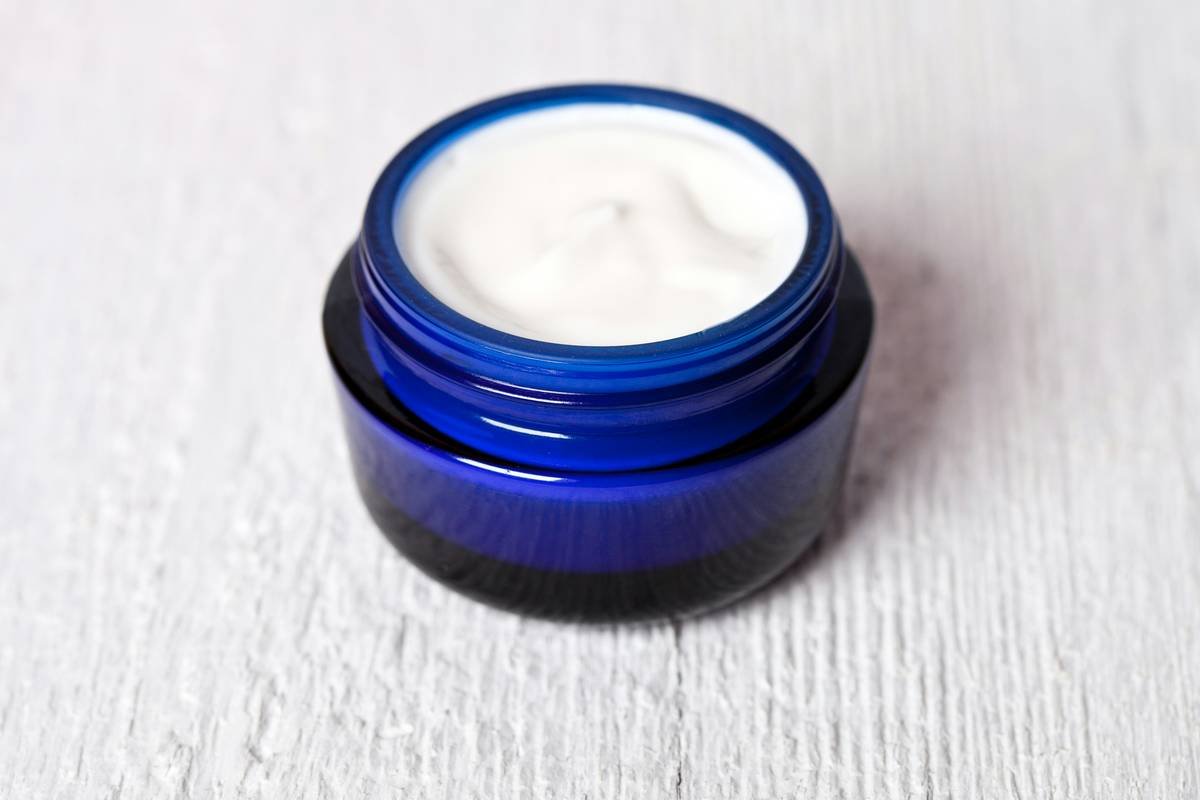
| Packaging | Clear jars or wide-mouth tubs | Airless pump or opaque tube |
The Industry Secret: Body Skin Needs Different Vitamin C Than Face
Here’s what brands won’t tell you: your body’s stratum corneum is up to 15x thicker than facial skin. A face-grade serum diluted into a body lotion does almost nothing below the surface. Effective body-focused vitamin c cream moisturizers require higher lipid solubility and occlusive agents like shea butter to ferry actives through that barrier. I’ve seen clients reverse years of sun-damaged elbow discoloration using this approach—while their facial serums gathered dust.
Think about it: if it doesn’t feel slightly richer than your facial moisturizer, it’s probably underdosed.
FAQ
Can I use vitamin c cream moisturizer every day?
Yes—especially on the body. Unlike facial skin, body skin tolerates daily antioxidant application well. Just avoid combining with retinoids or strong acids on the same night.
Does vitamin c cream moisturizer help with dark knees or elbows?
Absolutely—if it uses stable, penetrating forms like THD ascorbate. Results appear in 6–8 weeks with consistent use post-exfoliation.
Why does my vitamin c moisturizer turn yellow?
Oxidation. Once it turns yellow or brown, it’s inactive and may irritate skin. Discard it. Always store in cool, dark places—and never buy from clear packaging.