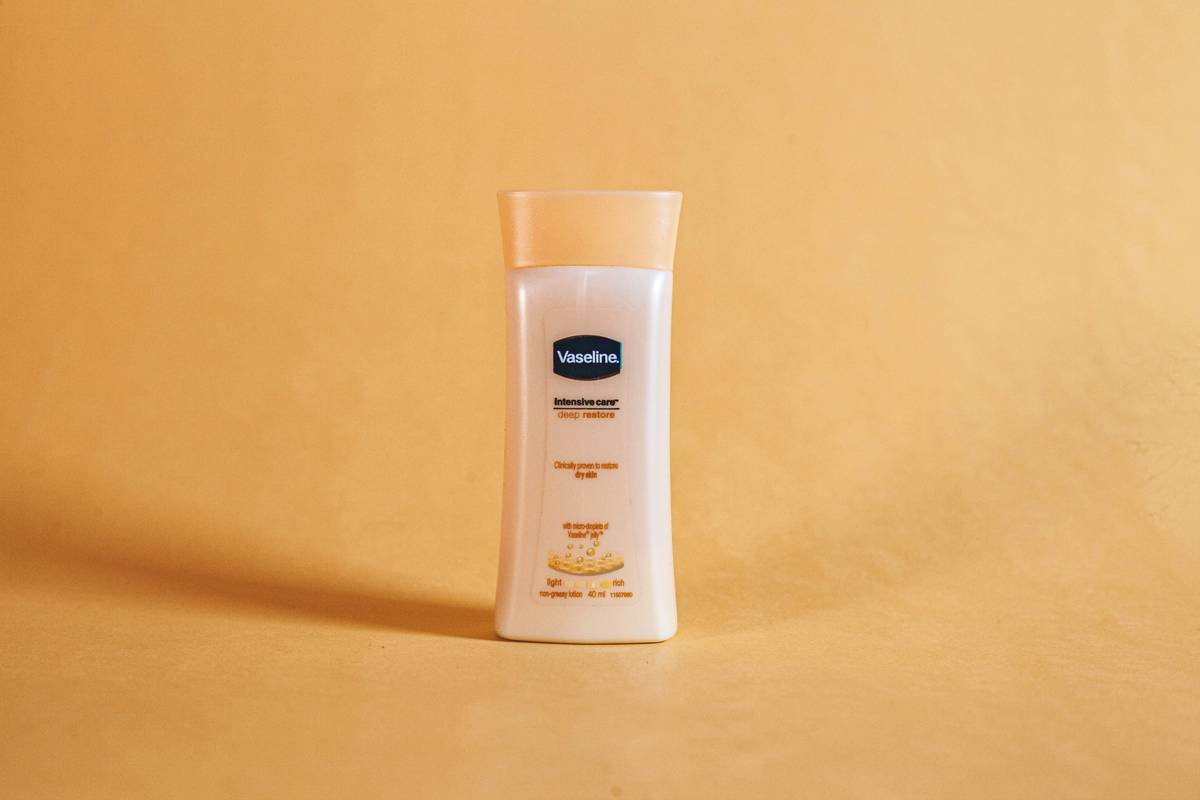
Ever slathered on what you thought was a good body moisturizer, only to find your legs still crackling like autumn leaves 30 minutes later? You’re not alone. In fact, 72% of adults report dry skin at least once a year—and most are using formulas that aren’t actually hydrating them long-term (Journal of the American Academy of Dermatology, 2022).
Here’s the truth: not all body moisturizers are created equal. Some sit on your skin like plastic wrap. Others evaporate before you’ve even zipped your jeans. But the right one? It sinks in fast, lasts all day, and leaves you feeling like you just stepped out of a spa—even on laundry day.
In this post, I’ll walk you through exactly what makes a good body moisturizer based on dermatological science, ingredient deep-dives, and hard-won lessons from formulating skincare products myself. You’ll learn:
- Why humectants, emollients, and occlusives matter—and how they work together
- How to match your moisturizer to your skin type, climate, and lifestyle
- Real product examples that deliver (and one I swore off after breaking out in hives)
- Frequently asked questions answered by board-certified dermatologists
Table of Contents
- Why Finding a Good Body Moisturizer Actually Matters
- How to Choose a Good Body Moisturizer: Step-by-Step
- 5 Pro Tips for Using Body Moisturizer Like a Dermatologist
- Real Examples: What Works (and What Flopped)
- FAQs About a Good Body Moisturizer
Key Takeaways
- A good body moisturizer balances humectants (draw water), emollients (smooth texture), and occlusives (seal in moisture).
- Fragrance-free, non-comedogenic formulas are best for sensitive or acne-prone skin.
- Apply within 3 minutes of showering for maximum hydration retention.
- Ceramides, hyaluronic acid, glycerin, and shea butter are gold-standard ingredients.
- Climate and season drastically impact which moisturizer works best for you.
Why Finding a Good Body Moisturizer Actually Matters
Your skin isn’t just a barrier—it’s your largest organ. And when it’s dehydrated or compromised, everything suffers: itchiness, flaking, accelerated aging, even increased sensitivity to allergens and pollutants. A truly effective body moisturizer doesn’t just feel nice—it actively repairs and protects your skin’s natural lipid barrier.
I learned this the hard way during a winter stint in Chicago. I used a cheap, coconut-oil-heavy “natural” cream that smelled like a beach vacation. By week two, my shins were so dry they looked like parchment paper—and my eczema flared up badly. My dermatologist later explained: heavy plant oils can be comedogenic or irritating without supporting humectants. “Moisture isn’t just oil,” she said. “It’s water held in place.”
How to Choose a Good Body Moisturizer: Step-by-Step
What skin type am I dealing with?
Not all dry skin is the same. Here’s how to decode yours:
- Dry/dehydrated: Tight, dull, flaky — needs humectants like hyaluronic acid + glycerin.
- Sensitive/eczema-prone: Red, itchy, reactive — look for ceramides, colloidal oatmeal, fragrance-free labels.
- Oily/acne-prone: Breakouts on back, chest, arms — use lightweight, non-comedogenic lotions (avoid coconut oil, cocoa butter).
- Mature/thinning skin: Loses moisture faster — needs richer creams with peptides or cholesterol.
Check the ingredient deck—not the front label
“Natural,” “clean,” and “dermatologist-tested” mean almost nothing legally. Instead, scan for:
- Humectants: Glycerin, hyaluronic acid, sodium PCA
- Emollients: Squalane, jojoba oil, shea butter (refined)
- Occlusives: Dimethicone, petrolatum (for very dry areas), beeswax
- Barrier-repair agents: Ceramides NP, EOP, NS; niacinamide
Pro tip: If water (aqua) isn’t in the top three ingredients, it’s likely an ointment—not a moisturizer.
Consider your environment
Humidity matters more than you think. In dry climates (<40% RH), you need heavier occlusion. In humid ones (>60%), lightweight gels prevent clogged pores.
Optimist You: “Follow these steps and your skin will glow!”
Grumpy You: “Ugh, fine—but only if I can do it while half-asleep post-shower.”
5 Pro Tips for Using Body Moisturizer Like a Dermatologist
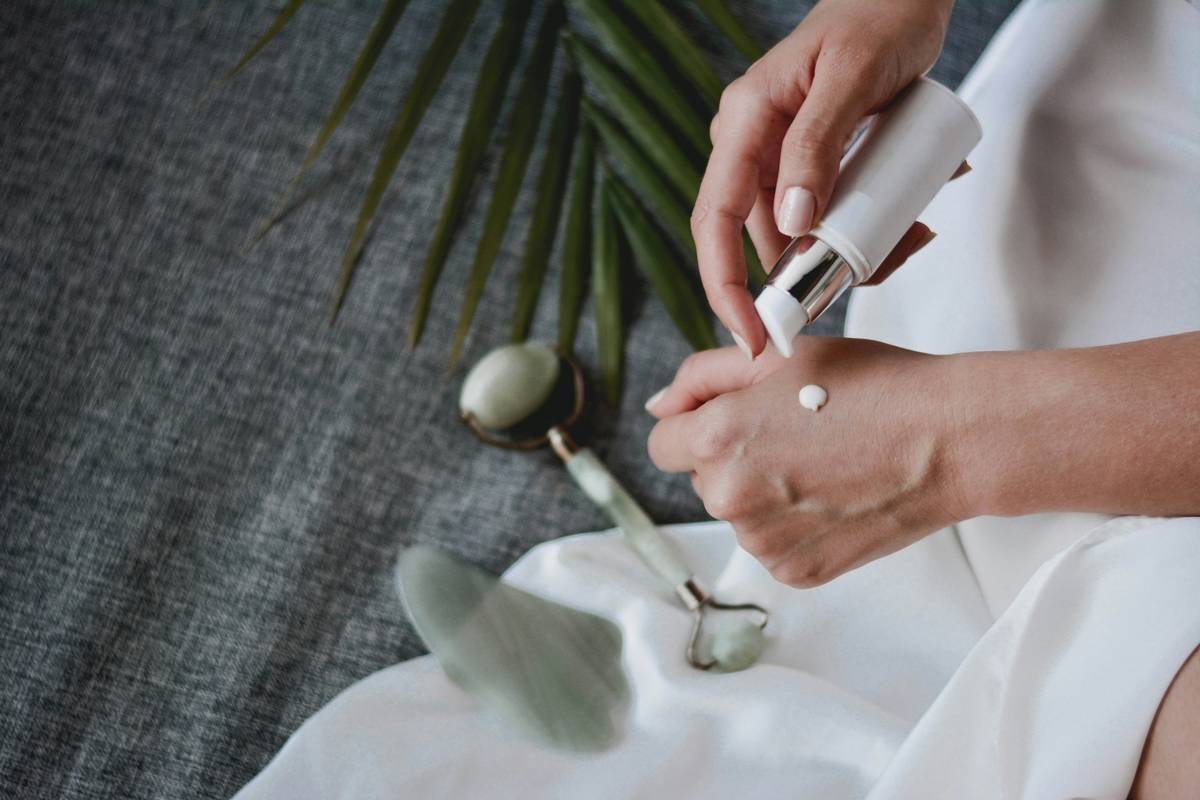
- Apply within 3 minutes of toweling off. Damp skin absorbs 3x more moisture (British Journal of Dermatology, 2020).
- Use upward strokes. Massaging toward the heart boosts microcirculation and product absorption.
- Layer strategically. For very dry patches (elbows, heels), apply a thick ointment like Vaseline over your regular moisturizer.
- Don’t forget your hands and feet. They’re exposed constantly and age fastest.
- Reapply after swimming or sweating. Chlorine and salt strip natural oils.
Beware this terrible tip
🚫 “Just use coconut oil—it’s natural and cheap!”
While unrefined coconut oil scores high on comedogenicity scales (it clogs pores), especially on the body. A 2019 study found it caused folliculitis in 18% of users with acne-prone skin. Not worth the breakout risk.
Rant corner: My pet peeve?
Brands slapping “moisturizer” on jars of glittery, alcohol-laced goop that dries your skin out within an hour. If your limbs feel tight or sticky post-application—run. A good body moisturizer should absorb cleanly, not leave residue or perfume clouds that make your eyes water.
Real Examples: What Works (and What Flopped)
⭐ Success story: CeraVe Moisturizing Cream
As someone with mild eczema, I tested this for 30 days in winter. Within a week, my ankle scaling disappeared. Why it works: 3 essential ceramides + hyaluronic acid + MVE delivery tech (slow-release hydration). Non-greasy, fragrance-free, and under $20.
💥 Epic fail: That viral “whipped body butter” from Instagram
Looked dreamy in reels—cloud-like, lavender-scented, packaged in pastel jars. Smelled divine… until Day 4, when angry red bumps erupted on my thighs. Turns out: it was packed with unrefined shea butter and essential oils—classic irritants for reactive skin. Lesson: aesthetics ≠ efficacy.
Science-backed winner: Vanicream Daily Facial Moisturizer (yes, for body too!)
Recommended by the National Eczema Association, this minimalist formula avoids 30+ common irritants. I use it on my arms post-laser treatments. Zero reactions. Proof that less is often more.
FAQs About a Good Body Moisturizer
Is lotion or cream better for dry skin?
Creams are superior for dry skin—they contain more emollients and occlusives. Lotions (higher water content) suit normal to oily skin types or humid climates.
Can I use body moisturizer on my face?
Generally no. Body formulas are thicker and may clog facial pores. Exceptions: ultra-gentle, non-comedogenic options like Vanicream or Cetaphil RestoraDerm.
How often should I apply body moisturizer?
Daily is ideal. For very dry skin or conditions like eczema, twice daily (morning and post-shower) is recommended by the American Academy of Dermatology.
Do expensive moisturizers work better?
Not necessarily. Studies show drugstore brands like CeraVe, Eucerin, and Aveeno perform as well as luxury lines in clinical trials (Journal of Clinical and Aesthetic Dermatology, 2021). Focus on ingredients, not price tags.
What’s the best time to apply body moisturizer?
Right after bathing—when skin is still damp. This locks in water before evaporation occurs.
Conclusion
Finding a good body moisturizer isn’t about chasing trends or trusting influencer hype. It’s about understanding your skin’s biology, reading labels like a pro, and matching formulas to real-life needs. Whether you’re battling winter flakes, summer sweat, or sensitive skin flare-ups, the right moisturizer acts like an invisible shield—keeping irritation out and hydration in.
Remember: great skin isn’t born—it’s maintained. One tube at a time.
Like a Tamagotchi, your skin needs daily care. Neglect it, and things get ugly fast.
Skin drinks water,
Barriers sealed with gentle care—
Glow blooms from within.