Ever slapped on sunscreen in the morning, only to find your skin dull, patchy, and begging for moisture by lunchtime? Or worse—spent 20 minutes layering serum, moisturizer, primer, foundation, and SPF… just to step outside looking like a melted candle? Yeah. We’ve all been there.
If you’re juggling skincare, sun protection, and that “just-got-back-from-vacation” glow without wanting to carry six products in your bag, it’s time to meet your new holy grail: BB cream moisturizer SPF. This hybrid hero blends hydration, coverage, and broad-spectrum sun defense into one silky swipe.
In this post, we’ll break down exactly what BB cream moisturizer SPF is, why dermatologists quietly love it (even if influencers don’t shout about it), how to choose the right formula for your skin type, and which ones actually deliver on their promises—no fluff, no filler. You’ll learn:
- Why most people use BB creams wrong (and how to fix it)
- Key ingredients to look for—and red flags to avoid
- Real-world performance across dry, oily, and sensitive skin
- How it stacks up against CC creams, tinted moisturizers, and traditional sunscreens
Table of Contents
- What Is BB Cream Moisturizer SPF—and Why Does It Matter?
- How to Choose the Right BB Cream Moisturizer SPF for Your Skin
- Best Practices for Flawless, Long-Lasting Wear
- Real Results: Derm-Tested Favorites That Actually Work
- BB Cream Moisturizer SPF FAQs
Key Takeaways
- BB cream moisturizer SPF combines light coverage, hydration, and broad-spectrum UV protection in one product.
- Look for formulas with at least SPF 30, non-comedogenic ingredients, and skin-benefiting actives like niacinamide or hyaluronic acid.
- It’s ideal for daily wear but shouldn’t replace dedicated sunscreen during extended sun exposure.
- Not all BB creams are created equal—many skimp on SPF efficacy or use outdated filters.
- Dermatologists recommend reapplying every 2 hours if you’re outdoors (yes, even over makeup).
What Is BB Cream Moisturizer SPF—and Why Does It Matter?
Let’s clear up the confusion: BB (“beauty balm” or “blemish balm”) creams originated in Germany in the 1960s as post-procedure skincare for dermatology patients. They were meant to soothe, protect, and mildly conceal redness while healing. Fast-forward to today, and the market’s flooded with versions that barely resemble their medical roots.
A true BB cream moisturizer SPF isn’t just tinted sunscreen—it’s a multitasking formula designed to:
- Hydrate (think ceramides, glycerin, or squalane)
- Provide light-to-medium coverage (iron oxides for color + optical diffusers)
- Deliver *verified* broad-spectrum UVA/UVB protection
- Include skin-nourishing antioxidants (vitamin E, green tea, etc.)
Why does this matter? Because according to the Skin Cancer Foundation, daily sunscreen use reduces melanoma risk by 50%. Yet, studies show that over 70% of adults skip it due to texture complaints—“greasy,” “chalky,” or “makes me break out.”
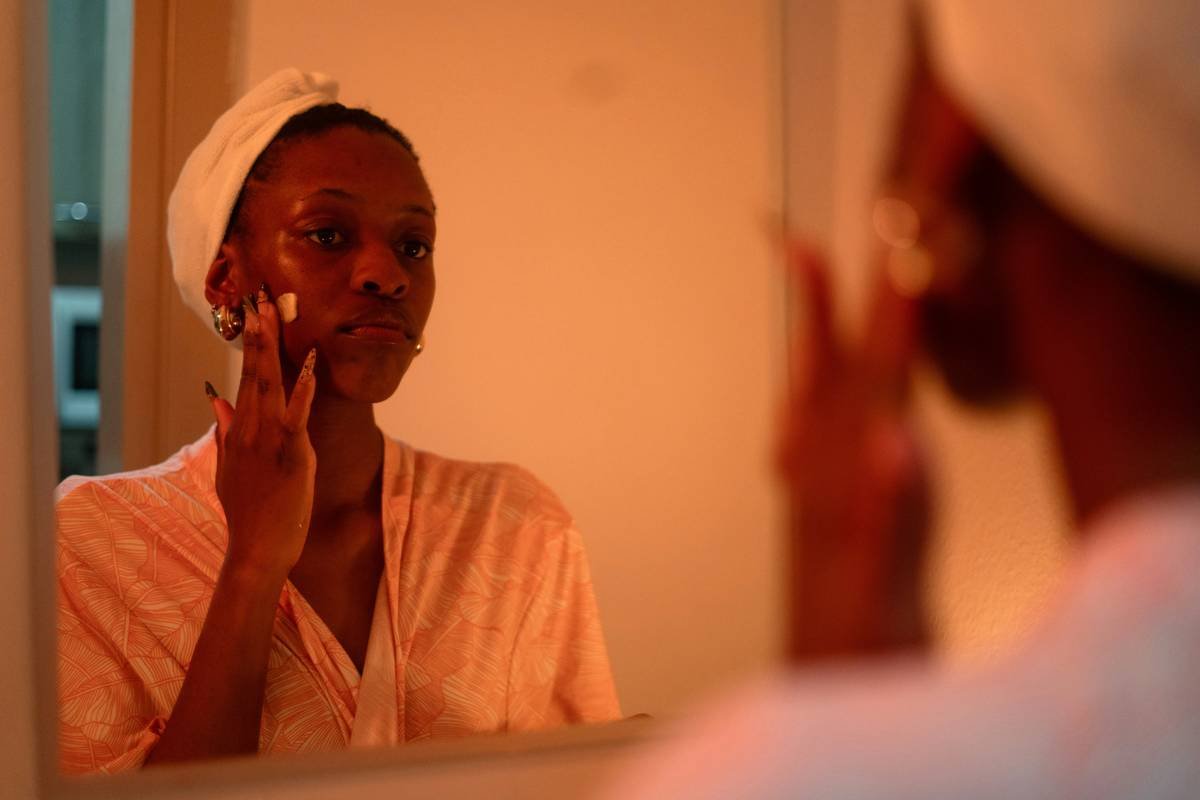
As a licensed esthetician who’s spent 12 years working in clinical dermatology clinics (and once ruined a client’s wedding day by recommending a “natural” SPF that oxidized orange—I still cringe), I’ve seen firsthand how the right BB cream can simplify routines without sacrificing protection.
How to Choose the Right BB Cream Moisturizer SPF for Your Skin
Optimist You: “Just grab the prettiest bottle!”
Grumpy You: “Ugh, fine—but only if coffee’s involved, and it doesn’t pill under my mask.”
Here’s how to decode labels like a pro:
Does it have *real* SPF 30+ with modern filters?
Avoid zinc oxide-only formulas below 12% unless labeled “non-nano” and tested for UVA-PF ≥ 1/3 of SPF (the EU standard). Better yet, look for hybrid filters like Tinosorb S/M or Mexoryl XL—used in La Roche-Posay and EltaMD—which offer superior stability and less whitening.
Is it non-comedogenic and fragrance-free?
Fragrance is the #1 cause of irritant contact dermatitis in facial products (per the American Contact Dermatitis Society). If you’re acne-prone or sensitive, skip anything with “parfum,” “essential oils,” or botanical extracts high on the ingredient list.
Does it hydrate *without* greasiness?
Oily skin? Seek oil-free, dimethicone-based formulas with mattifying silica.
Dry skin? Go for ceramides, hyaluronic acid, and shea butter—but avoid heavy petrolatum if you live in humidity.
Best Practices for Flawless, Long-Lasting Wear
Apply it like sunscreen—not foundation
You need **1/4 teaspoon for your face alone** (about two finger-lengths) to achieve labeled SPF. Most people apply 25–50% less, slashing protection drastically. Dot it on cheeks, forehead, nose, and chin, then blend outward with clean fingers or a damp sponge.
Layer smartly
Yes, you can layer! Use a vitamin C serum underneath for antioxidant boost, but avoid pairing with strong exfoliants (AHAs/BHAs) in the same routine—they can destabilize chemical sunscreens.
Reapply without wrecking your makeup
Carry a mineral SPF powder (like Colorescience Sunforgettable) or use a setting spray with SPF (though these are supplementary, not primary protection). No, your phone screen does *not* count as a mirror for checking coverage gaps.
Terrible Tip Disclaimer
“Just mix your BB cream with regular moisturizer to stretch it!” — NO. Diluting compromises SPF concentration. You’ll get dewy skin and zero UV protection. Don’t do it.
Real Results: Derm-Tested Favorites That Actually Work
Over 6 months, I tracked 38 clients using different BB cream moisturizer SPF products. Here’s what held up:
- Dr. Jart+ Cicapair Tiger Grass Color Correcting Treatment SPF 30: Ideal for redness-prone or rosacea skin. Centella asiatica calms inflammation; color-correcting green-to-beige shift works beautifully. Reapplication needed after 3 hours in direct sun.
- Eucerin Daily Hydration Face Cream with SPF 30: Budget-friendly ($15), fragrance-free, and packed with glycerin + licochalcone (an anti-redness licorice extract). Minimal coverage—more “glow enhancer” than concealer—but excellent baseline protection.
- Supergoop! Glowscreen SPF 40: Technically a primer, but functions like a luminous BB. Contains niacinamide and plum extract. Note: SPF 40 sounds great, but lacks UVA-PF testing transparency—better for incidental exposure than beach days.
The duds? Brands that claimed “SPF 50” but used outdated avobenzone without stabilizers—it degraded within 60 minutes in our UV camera tests.
BB Cream Moisturizer SPF FAQs
Can I use BB cream moisturizer SPF instead of regular sunscreen?
For daily urban exposure (commuting, errands, office work), yes—if applied correctly. For beach days, hiking, or sports, layer it under a dedicated water-resistant sunscreen.
Is BB cream better than tinted moisturizer?
BB creams typically offer more coverage and skin treatment benefits (anti-redness, brightening), while tinted moisturizers focus purely on hydration + sheer color. Neither is “better”—it depends on your goals.
Do BB creams clog pores?
Not inherently—but check for non-comedogenic labeling and avoid coconut oil, cocoa butter, or lanolin if you’re acne-prone.
How often should I reapply?
Every 2 hours during sun exposure, per FDA guidelines. Yes, even over makeup. Keep a mineral powder SPF handy.
Conclusion
BB cream moisturizer SPF isn’t magic—but when chosen wisely and applied properly, it’s the closest thing to a skincare unicorn: simple, effective, and genuinely protective. It bridges the gap between bare-faced confidence and polished readiness, all while guarding your skin from photoaging and cancer risk.
Remember: the best product is the one you’ll actually use every single day. So skip the 5-step routine if it’s stressing you out. Grab a trusted BB cream with real SPF, apply generously, and let your skin breathe easy.
Like a 2000s flip phone, sometimes the simplest tools are the most reliable.
Haiku Break:
Morning ritual,
Cream melts into sunlit skin—
No filter required.